

Mangroves Monitoring & Debris Oil Spill Response Reception Facility Biodiversity Key Achievements
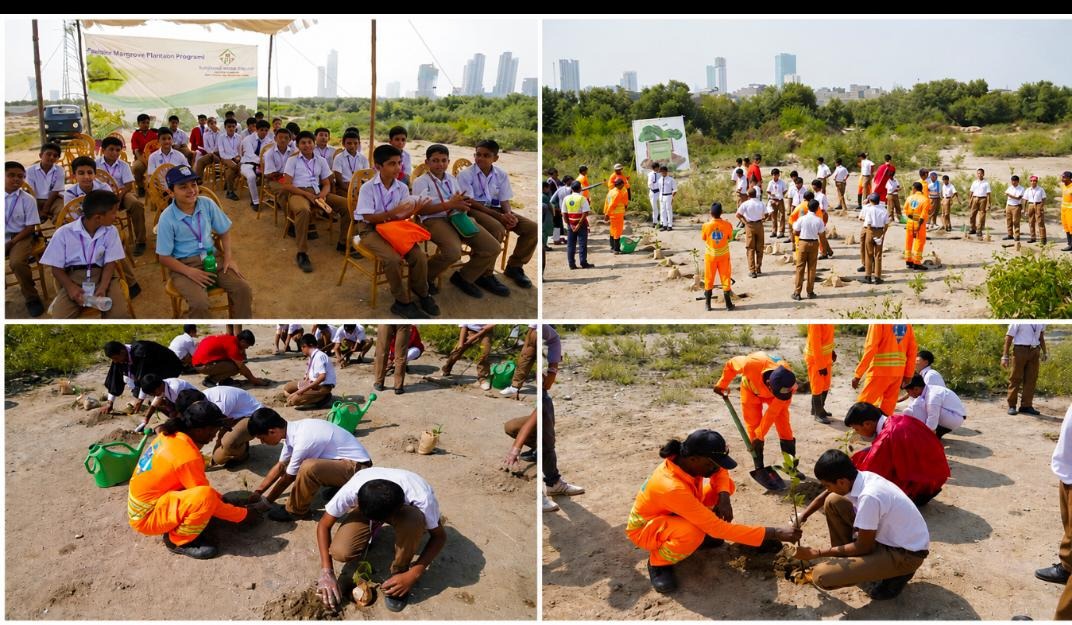
Mangroves are found in the Eastern & Western backwaters of Karachi Harbour. They provide natural protection against land erosion and storms, besides being an ideal place for roosting birds and a highly productive nursery for juvenile fish and shrimps. The once dense and lush green forests in the backwaters have gradually depleted due to pollution and increasing environmental pressure.
The total area covered by mangroves in the backwaters is approximately 1,600 hectares. Of the eight mangrove species that existed a few decades ago, only two — Avicennia marina and Rhizophora mucronata — are now found in the region, the former being dominant.
KPT is striving hard to conserve the existing forest and rehabilitate denuded areas through a three-pronged strategy, and has highlighted the protection of mangroves in its EHS Policy: for any development work in the harbour, cutting of mangroves is prohibited and proponents are asked to consider other options even if more expensive. Where no option is available, cutting is allowed only under the following conditions:
- The cutting should not have a significant impact on the ecological balance.
- Ecological compensation through planting of 100 new plants against each mangrove tree cut, in denuded areas, with monitoring until their stabilization.
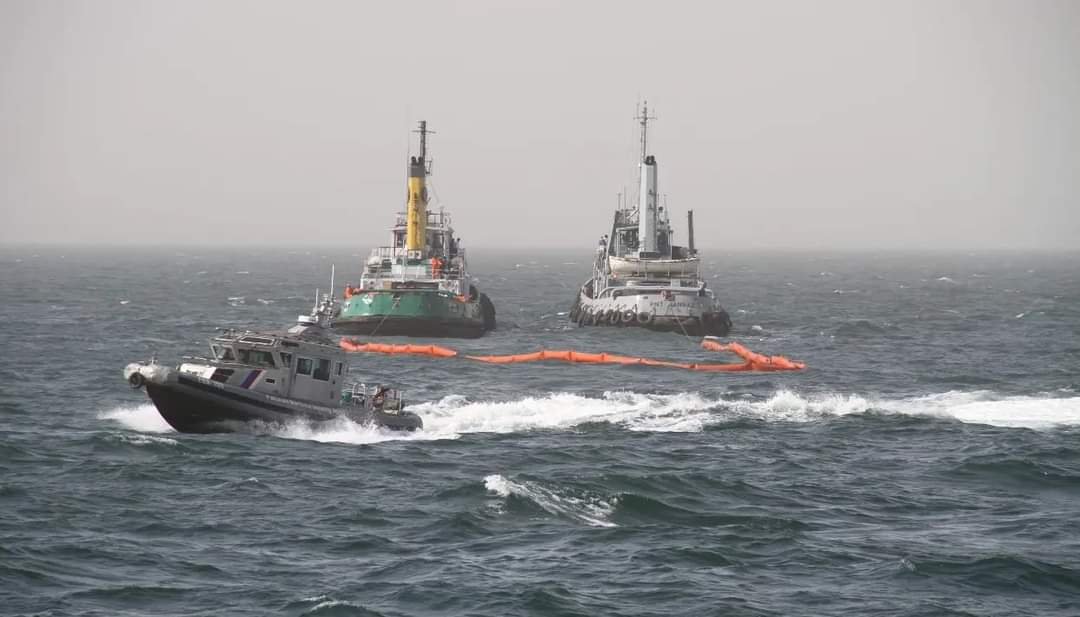
KPT maintains its own Oil Spill Response Contingency Plan, which is dovetailed with the National Marine Disaster Contingency Plan (NMDCP) of Pakistan.
MPCD has significantly enhanced its operational capacity through the procurement of modern oil spill response equipment — including oil booms, skimmers, floating tanks, and other specialized resources — which are adequate to combat medium-sized oil spills.
These essential assets play a vital role in ensuring compliance with the International Convention on Oil Pollution Preparedness, Response and Co-operation (OPRC-90).
Karachi Port Trust actively participates in the BARRACUDA Exercise series, conducted in collaboration with the Pakistan Navy.
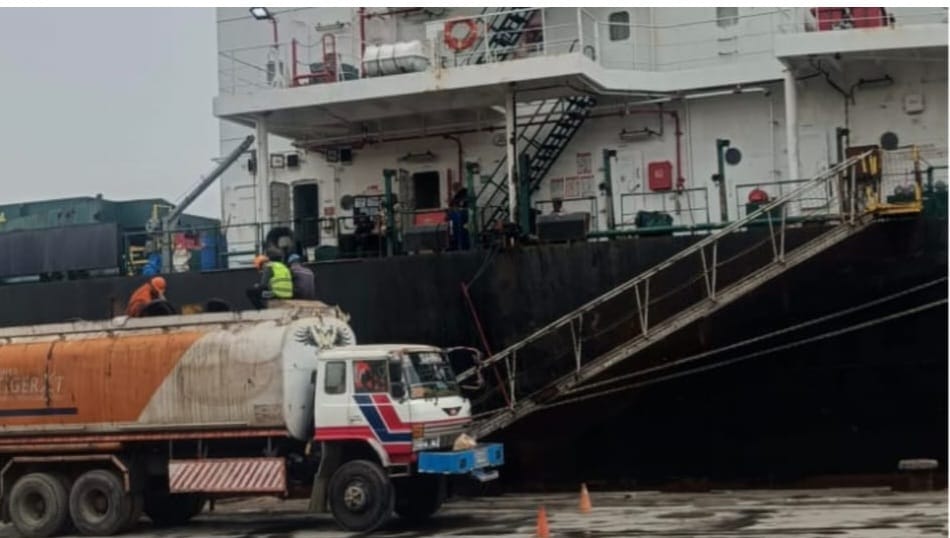
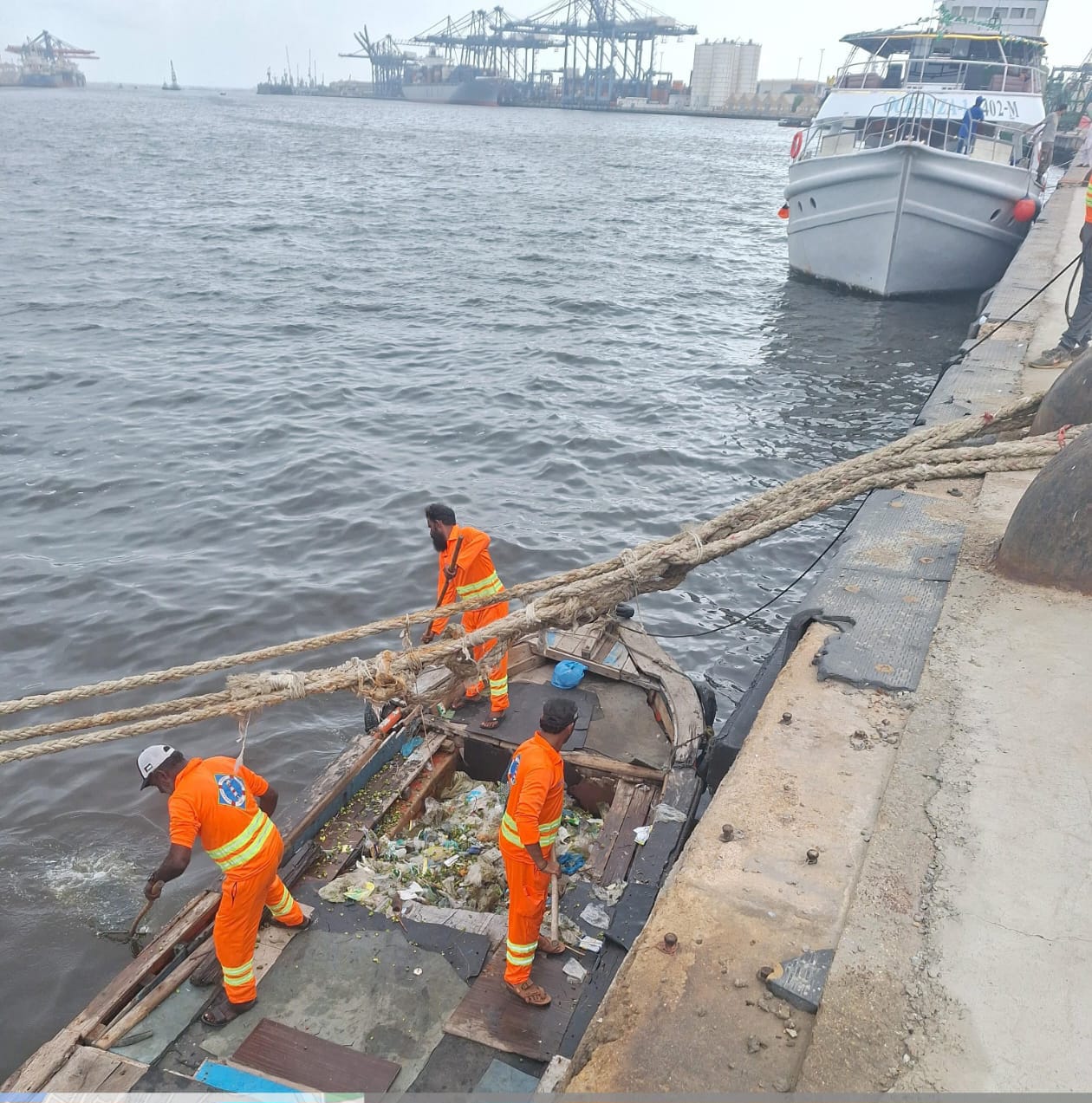
Ships calling at Karachi Port need a facility where they can discharge their oily waste along with garbage generated during sea passage. This facility is provided through a private contractor licensed by KPT for this purpose.
The contractor’s activities — from receiving the waste to its final disposal — are monitored by the Marine Pollution Control Department. This facility was recognized during the IMO Member State Audit Scheme (IMSAS 2022-2023) of Pakistan as a maritime nation.
MPCD is preserving the aquatic ecosystem through effective environmental management, sustainable resource utilization, and strict pollution control measures. To maintain aquatic balance and protect aquatic species under SDG-14, MPCD is taking the following measures to ensure sustainable development of the marine ecosystem:
These measures collectively support the conservation and sustainability of aquatic biodiversity — including fish, crustaceans, turtles, mangroves, seaweeds, algae, seagrasses, and other marine and coastal species within the aquatic ecosystem.